


Ph.D. in Chemistry, Georgetown University, USA, 1987, with Distinction. Prof. Pedro Gomez-Romero, FRSC, is Full Professor of the Spanish National Research Council (CSIC) (2006-) and Head of the NEO-Energy Lab (www.neoenergy.cat) at the Catalan Institute of Nano-science and Nanotechnology, ICN2 (CSIC-BIST) (www.icn2.cat) in Cerdanyola, Barcelona (Spain) (2007-). focused on the design, development and application of materials and devices for energy storage and conversion. Cofounder of Napptilus Battery Labs (Wattium) startup
Ph.D. in Chemistry, Georgetown University, USA, 1987, with Distinction. CSIC Researcher at ICMAB (CSIC), 1990-2007. Sabbatical at the National Renewable Energy Laboratory, NREL, Colorado, USA (1998-99). Vicedirector of MATGAS technology Center (2010-2013). Member of the CSIC Materials Science Committee (2012- 2014). He is currently member of EuroScience, the Royal Society of Chemistry, The Electrochemical Society (ECS), International Society of Electrochemistry (ISE) and the Asociación Española de Comunicación Científica (AECC). Fellow of the Royal Society of Chemistry (RSC) since 2014. Winner of the CIDETEC Award for Research in Electrochemistry 2016.
Prof. Gomez-Romero research is focused on the design, development and application of materials and devices for energy storage and conversion (hybrid supercapacitors, Li and post-Li batteries, flow cells, solar-thermal energy, nanofluids and nanopastes). This includes a variety of materials from inorganics (Polyoxometalates, PBAs) to conducting polymers to nanocarbons, with special emphasis on hybrid nanostructures and nano-composite materials with inorganic clusters or nanoparticles and polymers or carbons. Along this line, Gomez-Romero’s group pioneered the use of Polyoxometalates (POM) in energy storage applications. His most relevant work focuses on Hybrid electrode materials and devices for fast energy storage. Li, Na, Zn batteries; supercapacitors and hybrid devices. The recent creation of a spin-off company "Napptilus Battery Labs” (NBL) aims at putting all the knowledge generated in the lab to work in the development of fast-charging hybrid energy storage devices.
He is Scientific editor of the books "Functional Hybrid Materials" P. Gómez-Romero, C. Sanchez (Eds.) (Wiley-VCH 2004) ) and “Metal Oxides in Supercapacitors” (Elsevier, 2017, D P Dubal , P. Gomez-Romero). Prof. Gomez-Romero is very active in social communication of science through popular science articles, many invited conferences and courses and collaborations in the media. He is the author of the book “Nanomundo” (Materia / El País 20 Nov 2016) and three award-winning popular science books Creator of the popular science web www.cienciateca.com and of the Youtube science Channel TECNOSFERA https://www.youtube.com/c/tecnosfera

Ivan Parkin is the Sir William Ramsay Professor of chemistry at UCL and Dean of the Mathematical and Physical Sciences faculty at UCL. He has over 1,000 publications ( H= 123) and is the Clarivate worlds most cited authors list for 2023 and 24. He is a Member of the Academia Europea and has been award 11 medals and prizes from international bodies. He has graduated over 150 Ph.D. students, some 35 of which hold academic positions around the world. His work focusses on surfaces and interfaces- particularly around chemical vapour deposition. He was involved in the commercialisation of the world’s first self cleaning Glass Pilkington Activ. He has also had widespread involvement in energy materials, radiative cooling platforms, transparent conducting oxides and gas sensors. His students have established three spin out companies that employ over 200 people- including new battery material, gas sensors and CO2 capture and storage.
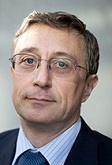
Vladimir Fal’ko MAE is condensed matter theorist who made fundamental contributions towards understanding physical properties of various two-dimensional (2D) materials, heterostructures of 2D materials, and twistronic structures. Fal’ko initiated the Graphene Week Conference series (which runs annually since 2006), during 2014-2021 he was the founding Editor-in-Chief of the IoP 2D Materials Journal, and, during 2012-2023, he was among the initiators and leaders of the EU Graphene Flagship Project. Since 2015, Fal’ko is Director of National Graphene Institute at Manchester and during 2016-2024 he was the 2D Materials Theme Lead in Henry Royce Institute

Dr. A.P. Zhukov is an Ikerbasque Research Professor at the Advanced Polymers and Materials group, University of the Basque Country, Spain. He graduated in 1980 from the Physics-Chemistry Department of the Moscow Steel and Alloys Institute (now the National University of Science and Technology), earned his Ph.D. in 1988 from the Institute of Solid State Physics (Chernogolovka) of the Russian Academy of Sciences, and completed his Doctor of Science (habilitation) at Moscow State “Lomonosov” University in 2010.
Dr. Zhukov has authored over 600 peer-reviewed publications, with a citation count exceeding 9,000 and an H-index of 51 (as of October 12, 2020). He has edited several conference proceedings and organized numerous international scientific events, including the Donostia International Conference on Nanoscaled Magnetism (DICNMA), ISMANAM 2017, and others. He has also chaired sessions at major conferences such as MMM and Intermag, and has been invited to deliver plenary and keynote lectures worldwide.
He serves as an Associate Editor for IEEE Magnetics Letters and the International Journal on Smart Sensing and Intelligent Systems, and is a member of several editorial boards and international scientific committees.
Dr. Zhukov has edited two books: Novel Functional Magnetic Materials and High Performance Soft Magnetic Materials; authored two monographs on magnetic microwires and sensors; and contributed chapters to key scientific handbooks, including the Handbook of Magnetic Materials edited by Prof. K. Buschow.

Dr. Li Lu is an Emeritus Professor of the Department of Mechanical Engineering at the National University of Singapore. He is internationally recognized for his contributions to advanced energy storage, particularly all-solid-state lithium and sodium batteries. His research has advanced the development of solid-state electrolytes, interfacial engineering, ion transport mechanisms, and high-performance electrode materials, contributing to safer, higher-energy-density, and longer-lasting solid-state battery technologies. Over a career spanning more than 35 years, he has published over 500 scientific papers with an h-index exceeding 100, authored several books, and supervised numerous graduate students, making significant contributions to the fields of energy storage materials and electrochemical technologies

Daniel Ruiz-Molina is a Full Professor of Materials Sciences and Nanotechnology of the Spanish National Research Council (CSIC) and Editor of the journal Biomimetics. He earned his PhD at the Institut de Ciència de Materials de Barcelona (ICMAB-CSIC) and afterwards took a 3-year postdoctoral position at the University of California San Diego (USA), mostly focused on smart molecular materials. Since 2006, he has held a permanent position as a CSIC researcher and leader of the Nanostructured Functional Materials Group (NanosFun) at the ICN2. His main research areas include the fabrication, characterization, and application of functional nanostructures for environmental and medical applications. He has published over 200 peer-reviewed scientific articles in leading environmental and chemical engineering research journals, book chapters, and conferences and he has authored numerous professional reports. He has also been very active in industrial collaborations and applied research, setting up four startups in areas related to the environment and health.

Prof. Dr.-Ing. Paul Motzki is the Scientific Director and CEO of the state-funded Saarland Engineering Institute – SEI (former ZeMA - Center for Mechatronics and Automation Technology) in Saarbruecken, Germany, which employs about 120 researchers in the fields of robotics, production technologies and smart materials. Within SEI, his own research activities run within CiMS – Center for intelligent Material Systems. He received his B.Sc., M.Sc. and PhD degrees in Mechatronics and Systems Engineering from Saarland University, Germany. In 2022, he was appointed the professorship “Smart Material Systems for innovative Production” by the Department of Systems Engineering of Saarland University; additionally, he joined the Department of Material Science and Engineering in 2025. Since 2023, Paul Motzki is the Chair of the VDI/VDE Technical Committee GMA 2.16: “Smart Materials and Systems”, Board Member of europe’s largest smart materials network smart3, Director on the board of the ASM International Organization on Shape Memory and Superelastic Technologies (SMST), Senate Member of the ASME SMASIS division, Vice President of the EuroEAP Society, and Vice President and Co-Founder of the International Elastocalorics Society – IES. His research interests cover the design and development of multifunctional actuator-sensor-systems or artificial muscles based on smart materials like shape memory alloys and electroactive polymers. Special focus is on the emerging field of elastocalorics.

Dr. Amit Goyal is a SUNY Distinguished Professor and SUNY Empire Innovation Professor at the State University of New York (SUNY) at Buffalo. He is a Member of US National Academy of Engineering, US National Academy of Inventors, National Academy of Sciences, India and the European National Academy of Engineering. He is a Member of the US National Materials & Manufacturing Board (NMMB) and an elected Fellow of AAAS, MRS, IEEE, APS, ASM, ACERS, IOP, WIF and WTN. He has co-authored over 380 publications and has 85 issued patents. He was ranked by Thompson-Reuters as the most cited author worldwide in the field of high temperature superconductors from 1999-2009. He is the Director of the Lab for Heteroepitaxial Growth of Functional Materials & Devices, and the Director of the NYS Center of Plastics Recycling Research & Innovation at SUNY. He served as the Founding Director of the Institute on Research and Education on Energy, Environment &Water (2015-21), and is an Emeritus Corporate Fellow at the Oak Ridge National Lab. He has received numerous accolades including US Department of Energy’s E.O. Lawrence (EOL) Award in the inaugural category of Energy Science & Innovation. The EOL award is given by the USDOE Secretary on behalf of the US President. Selected additional honors include: TEN R&D 100 awards, the R&D Magazine's "Innovator-of-the-Year" award (2010), Three National Federal Lab Consortium Awards for Tech. Transfer, and the SUNY-Buffalo President’s Medal (2019), and the highest award at the University at Buffalo.

Lluís Mañosa Carrera is a Catalan physicist and Full Professor of Condensed Matter Physics at University of Barcelona. He obtained his Physics degree in 1984 and his PhD in 1988 from the same institution, where he has spent most of his academic career.
His research focuses on phase transitions in functional materials, particularly shape-memory alloys and caloric materials that can be used for environmentally friendly solid-state refrigeration. He has made important contributions to the understanding of magnetocaloric, elastocaloric, and barocaloric effects, helping to advance technologies that could provide energy-efficient alternatives to conventional cooling systems.
Professor Mañosa has published around 250 scientific papers in leading international journals and has received more than 15,000 citations, reflecting the broad impact of his work in condensed matter physics. In recognition of his scientific achievements, he was elected a Fellow of the Institute of Physics (FInstP) in 2021.
In addition to his research, he has played an active role in academic leadership and graduate education at the University of Barcelona contributing to the development of physics teaching and research programs.
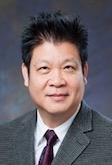
Kim Meow Liew is the Yeung Kin Man Chair Professor of Sustainable Engineering at City University of Hong Kong and the Founding Director of the Centre for Nature-Inspired Engineering. An elected Foreign Member of Academia Europaea (MAE) and a Fellow of the Hong Kong Academy of Engineering (FHKEng), he has built a distinguished career spanning multiscale and computational modeling, sustainable engineering, multifunctional materials, 3D construction printing, and advanced concrete materials—achieving transformative results with far-reaching impact across both fundamental science and applied engineering. In 2024, Professor Liew became the first Asian recipient of the prestigious Carl Zeiss–Humboldt Research Award, in recognition of his seminal work on the physical behavior of materials across multiple length scales. His advances in fracture mechanics research have yielded critical new insights into material failure and structural integrity, laying essential groundwork for designing resilient engineering systems and next-generation materials. His scholarly output—over 900 peer-reviewed articles, more than 65,000 citations, and an h-index of 127—attests to a career of sustained global influence.

Luisa Torsi is internationally renowned as a pioneer in bio-organic electronic sensors and elected member of the Accademia dei Lincei. She earned a degree in Physics and a PhD in Chemistry from the Uni-versity of Bari, where she has served as Full Professor of Analytical Chemistry since the age of 40. Following a postdoctoral fellowship at Bell Labs in the U.S., she developed an interdisciplinary research approach that integrates electronic devices, analytical chemistry, and organic semiconductors. She also held a position as adjunct professor at Åbo Akademi University in Finland and currently occupies leadership roles, including Vice President of the Scientific Council of the National Research Council (CNR) and President of ARTI Puglia, the regional agency for innovation and technology transfer.
Torsi has received numerous international accolades: she was the first woman to receive the Heinrich Emanuel Merck Award for Analytical Sciences and she was also awarded the Exner Medal. She was awarded the prestigious President of the Republic Prize by the Accademia dei Lincei in 2023. In 2025, she has also been awarded an honorary doctorate from Åbo Akademi University. She is also a Fellow of both the Materials Research Society and the Royal Society of Chemistry and was also the first woman elected President of the European Materials Rese-arch Society.
With over 280 scientific publications, approximately 19,000 citations, and 14 patents (10 granted), Torsi ranks among the top 0.58% most-cited chemists in the world, according to ScholarGPS®. She has given more than 200 invited talks, including over 60 plenary lectures.
She has led numerous national and EU-funded research projects, including SiMoT, a platform for ultra-sensitive biomarker detection applied to early cancer diagnosis and viral screening such as COVID-19. She currently coordinates a project focused on detecting Xylella in olive trees in Apulia. Her dedication also extends to science communication and the promotion of women in STEM—through TEDx talks, the 100Esperte initiative, and even a feature in the Italian Topolino magazine, where she appeared as “Louise Torduck,” a successful scientist from Calisota Valle;
Website: https://www.uniba.it/docenti/torsi-luisa
ORCID: https://orcid.org/0000-0002-0798-0780
Researcher ID & Scopus ID: G-9065-2011; 7005294241
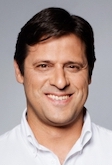
Nuno C. Santos was born in Lisbon, Portugal, in 1972. He graduated in Biochemistry from the Faculty of Science, University of Lisbon, in 1995, and received his PhD in Theoretical and Experimental Biochemistry in 1999 from the same University, although all the experimental work was conducted at Instituto Superior Técnico (Technical University of Lisbon) and University of California (Santa Barbara). Currently, he is Associate Professor with Habilitation of the Faculty of Medicine, University of Lisbon, and Head of the Biomembranes & Nanomedicine Lab at the Gulbenkian Institute for Molecular Medicine (GIMM), which was created in 2024 upon the merging between Instituto de Medicina Molecular (iMM), where he was previously Group Leader, and Instituto Gulbenkian de Ciência (IGC). Among other distinctions, his work was awarded with the Gulbenkian Prize for young researchers (2001), Dr. José Luis Champalimaud Prize – Basic Research (2004), Dr. José Luis Champalimaud Prize – Applied Research and Technology (2005), the UL – Caixa Geral de Depósitos Prize (2017 and 2023), and the FMUL Teaching Merit Prize (2025). He is (co)author of 201 articles in per-reviewed international journals, which received more than 12 600 citations (h-index 60 and i10-index 166, publishing since 1996), presenting a Journal Citation Reports impact factor sum of 1127.1 (average 5.7 per article). In addition to these publications, he (co)authored 10 articles in Portuguese scientific journals, 15 book chapters (mostly published outside Portugal, in English), 3 books (editor, published by Wiley, Springer and MDPI) and 3 international patents. Among different National and International research projects, he was the coordinator of a European Union-funded consortium including 10 different research groups from Europe and Brazil. He is member of the Executive Committee of the European Biophysical Societies’ Association (EBSA) since 2019, Vice-President of the Academic Council of the Faculty of Medicine of the University of Lisbon since 2024, and Director of the M2B-PhD Doctoral Program in Medical Biochemistry and Biophysics (involving 5 different institutions) since 2016. He was President of the Portuguese Biophysical Society from 2015 to 2021. He has supervised 18 completed PhDs, 11 as main supervisor and 7 as co-supervisor.

Professor Rosaria Rinaldi is currently Full Professor of Condensed Matter Physics at the Department of Mathematics and Physics “E. De Giorgi” of University of Salento, and she is a member of the Academic University Senate. Since 2019 she is Member of the Ministry of University and Research (MUR) Evaluation Committee for Flag Projects and Interest Projects to be implemented by public research institutions. Prof. Rinaldi is currently in charge of the research center in "Nanomedicine, Nanobioelectronics and Nanobiotechnology", at University of Salento. In 2005 R.R. was awarded the medal of "Le Scienze" and the medal of the President of the Republic (Carlo Azeglio Ciampi) for research carried out in the field of Nanobiotechnology. Since 2010, she was head of the Natural Sciences Area of and vice-director of University excellence school ISUFI till 2020. In 2015 she was visiting professor, winning an international selection for the "Eleonore Trefftz" chair, at the Technical University of Dresden in Germany. She was the coordinator of the doctoral school in Interdisciplinary Sciences and Technologies and Nanoscience at S.S. ISUFI and the coordinator of the doctoral school in Physics and Nanoscience, till 2020. She won the "ITWIIN-High Education" award (2016) and was one of the finalists for the 2017 EuWIIN “European Women Inventors and Innovators Network” contest prize. R.R. has coordinated or been a partner in more than 30 scientific projects at regional, national and EU level, in the last 15 years. R.R. is author and co-author of about 310 papers published in international scientific journals,13 monographs and book chapters, and 12 patents (H-index:40).

Claire Carmalt is a Professor of Inorganic Chemistry at UCL. She received her B.Sc. and Ph.D. from the University of Newcastle and was then a postdoctoral fellow at the University of Texas at Austin. She was then awarded a Royal Society Dorothy Hodgkin Fellowship and moved to UCL in 1997. In 2016 she became the Head of Department for Chemistry and the first woman appointed to this position, which she held for 10 years. She was awarded the Royal Society of Chemistry (RSC) 2000 Meldola Medal, the RSC 2019 Applied Inorganic Chemistry Award and the RSC 2024 Tilden Prize for her work in materials chemistry. She is currently President of the RSC Dalton Community Council. Her research focusses on developing innovative new routes to technologically important inorganic materials including the synthesis of novel molecular precursors, deposition of films using chemical vapour, spray and atomic layer deposition, formation of superhydrophobic surfaces and deposition of transparent conducting oxide and photocatalytic thin films.

Dr. Xing Wang is a Bioengineering professor, affiliated with the Chemistry Department, Carl R. Woese Institute for Genomic Biology (IGB), Holonyak Micro and Nanotechnology Laboratory (HMNTL), and Cancer Center at Illinois (CCIL) at the University of Illinois Urbana-Champaign (UIUC). He received a Ph.D. from New York University, working with Dr. Ned Seeman to build biofunctional DNA motifs. He did his postdoc training at Princeton University with a focus on nucleic acid engineering and RNA biology. At UIUC, Dr. Wang directs the Nucleic Acids Programming Lab (NAPL), and his research group utilizes nucleic acid and protein engineering to evolve new molecular ligands for targeted drug delivery and create designer DNA nanostructure-based “plug-and-play” platforms for the applications in disease diagnosis and treatment. Dr. Wang is a recipient of Mikashi Award in 2021. He was selected as a Fellow of Y Combinator Founder Cohort in 2021. He received a Spoke Award in 2024. Dr. Wang’s research group is mainly supported by the National Institutes of Health (NIH) and National Science Foundation (NSF).

Olivier Soppera is Research Director at the French National Centre for Scientific Research (CNRS) and leads the PHOTON research group at the Institut de Science des Matériaux de Mulhouse (IS2M, France). He graduated in Chemistry at ENS Cachan and obtained his PhD from the University of Haute-Alsace in 2003, working on photopolymerization processes in hybrid. materials. After a postdoctoral fellowship in Portugal, he joined CNRS in 2004, where he progressively developed a research program at the interface of photochemistry, nanofabrication, and materials science.
Over the past two decades, his work has focused on the use of light as a versatile tool for materials design and structuring, with a strong emphasis on sol–gel chemistry, hybrid materials, and laser-assisted processing. He has pioneered photoinduced strategies for the fabrication of nanostructured films, functional coatings, and responsive surfaces with tunable optical and chemical properties.
His current projects span several research directions, including laser-assisted nanofabrication, development of hybrid organic–inorganic materials, and the integration of metallic nanoparticles to exploit plasmonic effects . These approaches open new perspectives for advanced optical sensors, environmental monitoring devices, and biomedical applications.
Olivier Soppera has coordinated and participated in numerous national and European research projects and has established long-term collaborations with both academic institutions and industrial partners. He is the author of more than 180 peer-reviewed publications and several patents. In addition to his scientific activities, he has been actively involved in fostering international collaborations, in particular with Taiwan and contributing to the scientific networks in France on Photochemistry (SP2P at SCF) and Nanosciences (C’Nano).

Petr Šittner is the head of the Department of Functional Materials at Institute of Physics of the Czech Academy of Sciences in Prague, Czech Republic since 2009 and the head of Division of Condensed Matter Physics since 2016. He graduated from the Faculty of Mathematics and Physics Charles University in 1995, received his Ph.D. in Condensed Matter Physics in 1991 from Czech Academy of Sciences, worked for 5 years as Research Associate at Faculty of Engineering Mie University in Japan and, since 2000 he has been working as senior scientist at the Institute of Physics of the CAS (2012-16 as vice director).
Petr Šittner has been active in the research of martensitic transformations, shape memory alloys and smart engineering materials and composites for over 30 years, published over 250 scientific articles in impacted scientific journals, 5 patents, organized two major international conferences in the SMA field ESOMAT 2009 and SMST 2013 in Prague, served as member of the Board of directors of the SMST ASM International society and currently serves as associate editor of the journal Shape Memory and Superelasticity.
His current research in the field of martensitic transformations focuses on the investigation of deformation processes responsible activated during functional thermomechanical behavior of NiTi based shape memory alloys using thermomechanical testing supported by application of various in-situ methods such as in-situ synchrotron and neutron diffraction, transmission electron microscopy, DIC and EBSD methods in SEM [1-5].
Petr Šittner has been actively involved in designing and building engineering diffractometer BEER at European spallation source currently under construction in Lund Sweden. He serves as a representative of the Czech Republic in the In Kind Review Committee of ESS.

Prof. Jesus M de la Fuente (Barakaldo-Spain) finished his PhD work in 2003 working in the evaluation of carbohydrate-carbohydrate interactions using gold nanoparticles in the Institute of Chemical Research from CSIC. During his PhD training, he has carried out different stays in the University of Nottingham (UK), University of Kalmar (Sweden), Institute of Physical-Chemistry “Rocasolano”-CSIC (Madrid, Spain) and National Centre of Biotechnology-CSIC (Madrid, Spain). With all this research, he was a pioneer in the emerging field of Glyconanotechnology. Once he obtained his PhD, he moved to the Centre for Cell Engineering University of Glasgow (UK) to develop a research project involving the nanoparticles development and its biological application during two years. In July 2005, he went back to the Institute of Chemical Research (Seville, Spain). His research was oriented to the vectorization of paramagnetic nanoparticles with biologically relevant carbohydrates to label and visualize brain tumors. In June 2007, Dr de la Fuente established the Nanotherapy and Nanodiagnostic Group at the Institute of Nanoscience of Aragon (University of Zaragoza, Spain). Dr. de la Fuente has supervised 14 PhD students (to completion) and he is presently supervising 12 PhD students. Since then, Dr de la Fuente has created a large research group with outstanding scientific results and excellence research projects. As principle investigator, he has received a European Research Council-Starting Grant for “Multifunctional Magnetic Nanoparticles: Towards Smart Drugs Design-NANOPUZZLE” (2010-2015), a European Research Council-Proof of Concept-HOTFLOW (2017-2018) and ERANET project “Multifunctional Gold Nanoparticles for Gene-Therapy-NANOTRUCK” (2009-2012), he is PI of a FP7-NMP “Nanotherapeutics for Antibiotic Resistant Emerging Bacterial Pathogens-NAREB” (2014-2018) and he has supervised 1 IOF and 2 IEF FP7 Marie Curie Fellows and 2 IF HORIZON2020 Marie Sklodowska-Curie Fellows. He has actually 6 licensed PCT patents. To date, he has more than 160 papers, cited more than 5,600 times and with an h-factor of 40. He was awarded with the “Shanghai-1000 People Plan” in 2013 to be Chair Professor at Jiao Tong University (Shanghai, China). Since 2014, he is a Permanent Researcher at the Spanish National Research Council- Aragon Materials Science Institute (Zaragoza, Spain).

Dr. Anaya got his PhD in 2018 under the supervision of Prof. Míguez, pioneering the understanding and design of light–matter interactions in halide perovskite–based devices. He continued his research career at the Cavendish Laboratory under Prof. Stranks and later at the Department of Chemical Engineering and Biotechnology, University of Cambridge, as a Royal Academy of Engineering Research Fellow. He returned to Spain in 2023 as a Ramón y Cajal Fellow at the Institute of Materials Science of Seville, where he leads the Semiconductor Materials for Sustainability Laboratory (SMSLab). His current research focuses on developing and implementing advanced characterisation techniques that enable visualisation and monitoring at the nanoscale of the fundamental processes governing device operation under working conditions.

Director of Technology and Programs of the Industry and Mobility Unit of Tecnalia. Graduated in Chemistry from the UPV-EHU and Master of Science from the University of Kent. Additionally, she has completed two Masters on Technology Management and Innovation Management from the University of Deusto and an expert course on Strategic Management from ESADE Business School. Leads the Strategic Technological Development Plan for the Industry and Mobility Unit of TECNALIA. This includes: smart manufacturing technologies (robotics, additive manufacturing, digital manufacturing) and advanced materials development and processing (metal, composites and ceramics), as well as automated driving and electric driving control strategies. It also includes new designs and concepts of vehicles for Urban Air Mobility. Responsible for the Strategic Funding and Internationalization of the activity of the Industry and Mobility Unit; Additionally, is responsible for the commercialization of assets and new business activities. She accumulates 27 years of experience in financing R&D&i for companies and Technology Centers in different areas, regional, national and international, including among her work the management of more than 20 projects of the Research Framework Program (IVPM, VPM , FP6, FP7, H2020 and HE). For 5 years she was a member of the Advisory Board of the Partnership Processes4Planet, where she carried out prescription work on R&D&I with the European Commission. She has been an evaluator of ESF (European Science Foundation) projects and currently collaborates on the panel of experts of the European Commission for the definition and promotion of Technological Infrastructures. She is member of the recently created by DG RTD Technology Council for Advanced Materials (AM) leaded by Maria Cristina Russo and representative of Tecnalia in the Board of Directors of the new European association for AM, IAM-I.