
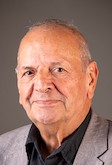
Prof Jacques Jupille is Leader of the group “Oxides in small dimensions” at Institut des Nanosciences de Paris. He’s since 2003 Senior scientist CNRS of 1st class. He’s working on the following research areas: Physical and chemical properties of surfaces and interfaces, from ultra-high-vacuum to ambient conditions, crystallographic and electronic structures, reactivity, catalytic activity, adhesion, wetting, hydration. Tools – Electron spectroscopies, near field microscopies (tunnel and atomic forces), vibrational spectroscopies (high resolution electron energy loss spectroscopy and Fourier transformed infrared spectroscopy), vacuum related techniques, synchrotron based techniques (x-ray diffraction and absorption edges), transmission electron microscopy.
Since 1979, he has been actively involved in the management and support of many societies and institutions including:
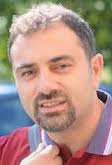
Filippo Giubileo is a Research Director at the Institute for Superconductors, Innovative Materials and Devices (SPIN) of the Italian National Research Council (CNR). He has over twenty years of experience in experimental condensed matter physics, with a strong focus on superconductivity, quantum transport, low-dimensional materials, and nanoscale devices. His research activities span advanced electrical and optoelectronic characterization, field emission, and the study of hybrid and quantum materials for next-generation electronics and sensing applications.
Dr. Giubileo has authored more than 160 peer-reviewed publications, with an H-index of 40. His work has been published in leading journals such as Advanced Functional Materials, Small, Physical Review Letters, and Materials Horizons.
Dr. Giubileo has coordinated national and international research projects, serves as evaluator for several funding agencies, and is actively involved in scientific governance and technology transfer. He also organized several international events such as ISMN’08, SM-2010, S4E-2014, GM-2016, TTN-2018, Nano-M&D-2019, IEEE NMDC 2023.
Keynote talk title: Low-Dimensional Materials Enabling Next-Generation FETs, Sensors and Emitters

Rodrigo Martins is a Full Professor at FCT NOVA and an internationally recognized expert in advanced functional materials for electronics and energy applications. He has authored more than 1,375 scientific publications, which have received over 44,500 citations, resulting in an h-index of 105.
He currently serves as President of the European Academy of Sciences, Director of the Associated Laboratory i3N (Institute of Nanostructures, Nanomodelling and Nanofabrication), President of the Board of the Portuguese Advanced Materials Cluster (NANOMAT), and member of the Board of the Portuguese Batteries Cluster (BatPower). He is also Chair of European Affairs for the European Materials Research Society (E-MRS) and Editor-in-Chief of the journal Discover Materials.
Professor Martins coordinates EMERGE (Emerging Printed Electronics Research Infrastructure), the first European research infrastructure dedicated to technologies beyond silicon.
He is a member of several prestigious academies and professional organizations, including the Academia Europaea, the Royal Academy of Sciences and Arts of Barcelona, the Portuguese Academy of Engineering, and the Portuguese Order of Engineers. He serves on the Advisory Board of the European University for Customized Education (EUNICE) (2025–2027) and on the Editorial Board of Innovation Materials (2025–2027).
His international distinctions include serving as Co-Chair of the FNRS Quinquennial Scientific Prize – A. De Leeuw-Damry-Bourlart Prize in Applied Exact Sciences (Belgium). He holds appointments as Qiushi Chair Visiting Professor at Zhejiang University, Honorary Professor at the Hefei Institutes of Physical Science, Chinese Academy of Sciences, the Technical University of Wuhan, Wuhan University, and Fuzhou University, and as Invited Professor at Southwest University, Chongqing.
In 2023, he was selected as a PIFI Distinguished Scientist by China, and in 2025 he received the prestigious Chinese Government Friendship Award.
Previously, Professor Martins served as President of the International Union of Materials Research Societies (IUMRS) and was a member of both the Scientific Council of the European Research Council (ERC) and the Advisory Council of the European Commission’s Directorate-General responsible for the Horizon Europe Programme.

Dr. Nathalie Mignet is Research Director at the National Center for Scientific Research (CNRS) in France. She is the leader of the Laboratory Chemical and Biological Technologies for Health located at Université de Paris Cité, at the faculty of Pharmacy.
After a PhD in France in organic chemistry, Dr Mignet was hired by the company Lynx Therapeutics in San Francisco. She then joined the University of Sheffield in UK for one year before being hired by the French biotech company Capsulis to work on onion-based nanoparticles called spherulites. She joined the CNRS as a research Scientist in 2000 to work on non-viral gene delivery. Since then, she expanded her domain of interest from drug delivery systems to nanomedicine designed for triggered delivery or imaging.
With her lab (#Mignet Lab), she is interested in nanomedicine for delivery or imaging going from fundamental to preclinical studies mostly in cancer.
She is also the founder and the former president of the French Society for Nanomedecine, SFNano.

Dr Charles Clifford is a principal scientist in the Surface Technology Group at the National Physical Laboratory (NPL), the UK’s national metrology laboratory. Since January 2025 he has been chair of ISO TC229 (nanotechnologies) leading the international efforts in nanotechnologies standardisation. He has extensive experience in surface analysis, nanoscience measurement and characterization and international standardisation. He has led the development of over 10 ISO and CEN standards in terminology and measurement and characterisation in nanotechnologies and surface chemical analysis. He leads and participates in collaborative projects with a focus on nanomaterials and analysis at the nanoscale. These include projects on graphene standardization through to measurement of nanoparticles in tissues. He has a background in scanning probe microscopy (SPM) with a focus on developing SPM to give quantitative information at the nanoscale beyond 'pretty pictures'.

Professor Oliver G. Schmidt is the Scientific Director of the Research Center for Materials, Architectures and Integration of Nanomembranes (MAIN) and holds the Chair of Material Systems for Nanoelectronics at the Chemnitz University of Technology, Germany. He is Adjunct Professor of Nanophysics at Dresden University of Technology, Germany and Honorable Professor at both Fudan University and Changzhou University. He is an elected member of the German Academy of Science and Engineering and has received several international prizes and awards: Among them the Otto-Hahn Medal from the Max-Planck-Society in 2000, the Philip-Morris Research Award in 2002, the Carus-Medal from the German Academy of Natural Scientists Leopoldina in 2005, the International Dresden Barkhausen Award in 2013, the Gottfried Wilhelm Leibniz-Prize of the German Research Foundation in 2018, and an Advanced Grant of the European Research Council (ERC) in 2019. He is a pioneer in micromachined microrobots, their biomedical applications and their potential for creating artificial life. He achieved several Guinness World Records (e.g. smallest man-made jet engine and smallest microelectronic robot) and has made major scientific contributions to small scale energy storage devices, flexible electronics and integrated microsystems for biomedical applications. He has been an ISI highly cited researcher in 2018, 2019, 2022, 2024, 2025 and has authored and co-authored > 900 papers with a citation index > 67.000 and an H-index of 133. https://www.tu-chemnitz.de/etit/nano/OliverGSchmidt.php

Catherine Debiemme‑Chouvy is a senior researcher (Directrice de Recherche, DR2) at the Laboratoire Interfaces et Systèmes Électrochimiques (LISE), affiliated with Sorbonne Université and CNRS in Paris. She completed her studies in biology and biochemistry, followed by a DEA in Analytical Chemistry and a PhD in Analytical Chemistry. Since 1990, she has held various research positions at CNRS, advancing to her current senior status. Her research focuses on electrochemistry and surface/interface science, including the electrosynthesis and characterization of nanostructured conductive polymer films, surface modification of semiconductor electrodes, development of carbon-based materials for water decontamination, and electrochemical energy storage materials. She has authored over 100 peer-reviewed articles, several book chapters, holds multiple patents, and actively contributes to institutional leadership, serving as Deputy Director of LISE and participating in national CNRS committees.

Dr. Hsin-Cheng Chiu received his Ph.D. in Pharmaceutics and Pharmaceutical Chemistry from the University of Utah in 1994. After serving as a faculty member in the Department of Chemical Engineering at National Chung Tsing University for 15 years, he moved to National Tsing Hua University in 2009. Dr. Chiu has a professional background in design, synthesis and development of stimuli-responsive supramolecular nanoconstructs for targeted delivery and controlled release of therapeutics. His current interests focus on exploiting heterojunction semiconductor nanomedicines for cancer theranostic applications and developing polymeric multifunctional targeted protein degradation chimeras for treatments of cancer and other diseases. He has published more than 100 peer-reviewed research articles, including those in Biomaterials, Journal of Controlled Release, Advanced Functional Materials, Angewandte Chemie, Macromolecules, ACS Nano, etc. Dr. Chiu also served as the President of the Taiwan Biomaterials and Controlled Release Society from 2020 to 2022. His work has been recognized by receiving the Outstanding Research Award from National Science and Technology Council of Taiwan, the Fellow of Biomaterials Science & Engineering from the International Union of Societies of Biomaterials Science & Engineering, the International the Award of Excellence in Research from Li Chio Zen Biomaterial Research Foundation, Academic Excellence Award of National Tsing Hua University, etc.
Filippo Giubileo is a Research Director at the Institute for Superconductors, Innovative Materials and Devices (SPIN) of the Italian National Research Council (CNR). He has over twenty years of experience in experimental condensed matter physics, with a strong focus on superconductivity, quantum transport, low-dimensional materials, and nanoscale devices. His research activities span advanced electrical and optoelectronic characterization, field emission, and the study of hybrid and quantum materials for next-generation electronics and sensing applications.
Dr. Giubileo has authored more than 160 peer-reviewed publications, with an H-index of 40. His work has been published in leading journals such as Advanced Functional Materials, Small, Physical Review Letters, and Materials Horizons.
Dr. Giubileo has coordinated national and international research projects, serves as evaluator for several funding agencies, and is actively involved in scientific governance and technology transfer. He also organized several international events such as ISMN’08, SM-2010, S4E-2014, GM-2016, TTN-2018, Nano-M&D-2019, IEEE NMDC 2023.
Keynote talk title: Low-Dimensional Materials Enabling Next-Generation FETs, Sensors and Emitters

Dr. Andrea Haase is a German toxicologist and Head of the Unit “Fibre and Nanotoxicology” at the German Federal Institute for Risk Assessment in Berlin, where she leads research on the health risks of nanomaterials and fibres, particularly at the cellular and molecular level, while contributing to European regulatory frameworks such as REACH. She is actively involved in major EU-funded projects including POLYRISK (on micro- and nanoplastics and their health effects), HARMLESS (developing Safe-by-Design approaches for advanced materials), NanoHarmony (harmonizing OECD test guidelines for nanomaterials), and NAMS4NANO (advancing non-animal New Approach Methodologies for risk assessment). Alongside her project work, she has co-authored numerous peer-reviewed publications in journals such as ALTEX and Journal of Cheminformatics, focusing on grouping and read-across strategies, proteomics and omics-based toxicity analysis, and the development of innovative, regulatory-relevant testing frameworks, helping to shape modern nanosafety science and policy in Europe.

Andrea Lamberti is Full Professor of Experimental Physics of Matter at the Politecnico di Torino. He graduated in Physical Engineering and did a PhD in Electronic Devices in the Italian Institute of Technology. He is the author of over 200 publications and several book chapters and patents in the field of nanomaterials for energy harvesting and storage devices. He is coordinator of the national Ph.D. program in Sustainable Materials, Processes and Systems for Energy Transition and he is the Italian referent of IUVSTA for nanomaterial division. He has contributed significantly to projects on electrochemical energy devices which have led to numerous European and national projects (MISE, MITE, MASE, Horizon, H2020 and an ERC starting grant).

Dr. Veronica Granata is a highly productive physicist at the University of Salerno and a member of the INFN (Istituto Nazionale di Fisica Nucleare) Gruppo Collegato di Salerno research group, where she is involved in advanced condensed matter and gravitational‑wave related research. She has authored over 220 scientific publications on topics including superconductivity, crystal structure, X‑ray diffraction, magnetic materials and material characterization, with several thousand citations reflecting her impact in these fields.
Dr. Granata has participated in national and institutional research projects, including coordinating a funded project on superconducting devices for quantum technologies at the University of Salerno. She is also locally principal investigator for the Einstein Telescope (ET) initiative — a major European collaboration focused on next‑generation gravitational wave observatories — through the INFN Salerno group.
She is active in the scientific community through organizing and serving on scientific committees for international conferences, such as materials, solidification and energy efficiency workshops hosted at UNISA – for example the “Technologies and Innovative Solutions for Energy Efficiency” workshop — and other physics symposia. While specifics of her editorial roles are not prominently listed in public profiles, her senior research standing and extensive publication record indicate involvement in peer review and academic peer engagements. Her work bridges fundamental materials physics and large‑scale collaborative physics experiments, contributing to both teaching and research at national and European levels.

Dr. Aziz Genç obtained his PhD in Materials Science from the Universitat Autònoma de Barcelona, Spain, in 2015, where his research focused on the nanoscale characterisation of plasmonic properties in hollow metal nanostructures using monochromated electron energy-loss spectroscopy (EELS) in a scanning transmission electron microscope (STEM). Following the completion of his doctorate, he held various academic positions in Turkey and the United Kingdom. Since April 2025, Dr. Genç has been a Senior Researcher in the Advanced Electron Nanoscopy Group at the Catalan Institute of Nanoscience and Nanotechnology (ICN2). His research activities centre on atomic-scale STEM-based characterisation of functional nanomaterials, with particular emphasis on energy-related applications, quantum materials, and emerging quantum devices. He has published over 70 research articles, which are cited more than 3500 times.

Prof. Carlo Barone is Associate Professor at the Department of Physics (University of Salerno, ITALY). From March 07, 2025 he has the National Scientific Qualification as Full Professor in the Italian higher education system for the disciplinary field of 02/B1 - Experimental Condensed Matter Physics. On February 29, 2008 he was awarded a Ph.D. in Physics (specialization Condensed Matter), at the University of Salerno. From December 16, 2002 to September 17, 2003 he has attended a Master in “Technologies and Applications of Computer Science for the Territorial Management (GIS)”, at the International Institute for Advanced Scientific Studies – Vietri sul Mare (SA). On July 18, 2002 he graduated in Physics (specialization Geophysics), at the University of Salerno, with an evaluation of 110/110 points.
Most of his scientific and professional activity has focused on the elaboration of stochastic signals originated by non-equilibrium processes in innovative materials and devices (electric noise measurements), giving him the possibility to publish more than 100 papers in international scientific journals. Actually, he is a member of the Editorial Board of Scientific Reports (a journal from Nature Publishing Group).
Regarding the scientific responsibility in research projects, he is currently the Head of the Local Unit (Sezione di Napoli – Gruppo Collegato di Salerno) inside the Project entitled: “QUantum ARchitectures for Theory & Technology (QUART&T)”, funded as National Experiment by the National Institute for Nuclear Physics (INFN). He, also, has been Associated PI and Head of the Local Research Unit (UNISA) inside the Project entitled: “Development of two-dimensional environmental gas nano-sensors with enhanced selectivity through fluctuation spectroscopy (2DEGAS)”, funded on Bando PRIN 2022 PNRR – Progetti di Ricerca di Rilevante Interesse Nazionale (from November, 2023 to November, 2025). Moreover, he has been Coordinator and Principal Investigator of a national “Seed” Project entitled: “Is weak localization detected by 1/f noise?”, funded by the CNR-SPIN Institute from April, 2012 to February, 2013.

Dr. Ute Resch-Genger is head of division Biophotonics at the Federal Institute for Materials Research and Testing (BAM). She received her Ph.D. with Prof. A. Henglein and Prof. H. Weller on the phophysics of colloidal semiconductor quantum dots, followed by a postdoc with Prof. M. A. Fox on the photophysics of cadmium thiolate clusters and porphyrin-RuO2 nanocomposites. Her current research interests include photophysics of molecular and nanocrystalline UV/vis/NIR/SWIR emitters, stimuli-responsive optical probes, signal enhancement, multiplexing, and barcoding strategies, and methods for surface analysis of nanomaterials. As a senior scientist at a designated national metrological institute, she is also responsible for concepts for validating optical-spectroscopic measurements and developing optical reference materials (fluorescence standards) and nanoscale reference materials.
Ute Resch-Genger is vice chair of the steering committee of the Methods and Applications in Fluorescence (MAF) conference series and serves as one of the German experts in ISO/TC229 (PWI/NWIP on surface analysis of nanomaterials) and IEC/TC113 (luminescent nanomaterials).

Dr. Jörg Radnik is Senior Scientist at the Federal Institute for Material Research and Testing, Berlin in the Division 6.1 “Surface and thin film analysis” and working in the competence centre AdvancedMaterials@BAM. His research focuses on the chemical analysis of nanostructured materials with the aim to enhance the accuracy and conformity of the applied methods. In this field, he is involved in different EU projects, like ACCORDs and SMURFnano. Furthermore, he is member of different national and international Standardisation Committees, and lead projects in prenormative research and metrological activities.
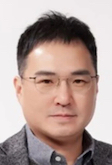
Gwan-Hyoung Lee is a South Korean materials scientist and professor in the Department of Materials Science and Engineering at Seoul National University, known for his pioneering research on two-dimensional (2D) materials such as graphene and transition metal dichalcogenides. He earned his B.S. and Ph.D. from Seoul National University and gained industry experience as a senior engineer at Samsung Electronics before pursuing academic research, including postdoctoral work at Columbia University. His work focuses on the synthesis, characterization, and device applications of atomically thin materials, with major contributions such as the development of “hypotaxy,” a method for growing wafer-scale single-crystal 2D semiconductors. He has authored over 200 peer-reviewed scientific papers with tens of thousands of citations, and actively contributes to the academic community as a reviewer and guest editor for leading journals including Nature, Science, Nature Materials, Nano Letters, and ACS Nano. Through his research and service, Lee has significantly advanced next-generation electronics, optoelectronics, and energy-efficient semiconductor technologies, earning international recognition in nanoscience and materials engineering.

Dr. Habilitated François-Xavier Ouf is a leading expert in aerosol metrology and the physico-chemical characterization of nanomaterials and advanced materials. He holds a PhD in Physics (2006) and an Habilitation to Supervise Research (HDR) in Energetics (2016), both from the Université de Rouen, France. His academic background also includes a DEA in Aerothermochemistry and Energetics.
With over twenty years of experience, Dr. Ouf began his career as a researcher at the French Institute for Radiological Protection and Nuclear Safety (IRSN), where he specialized in aerosol physics, filtration, and nuclear safety. In 2021, he joined the Laboratoire National de métrologie et d’Essais (LNE) as R&D Coordinator of the NanoMesureFrance innovation center, and in December 2024, he became Program Director for Advanced Materials and Aerosols still at LNE. His work focuses on developing scientific strategies, participating to national, European and international entities to harmonize characterization methods and fostering collaboration between industry, research, and regulatory bodies.
Dr. Ouf is the author of over 50 scientific publications and is actively involved in standardization and international initiatives. He currently serves as co-chair of the French standardization commission AFNOR X457 on Nanotechnologies, represents France in the VAMAS (Versailles Project on Advanced Materials and Standards) and the OECD’s WPMN (Working Party on Manufactured Nanomaterials), and is the secretary and treasurer of the NanoMesureFrance association.

Dr. Robin Schürmann is a senior scientist at the Physikalisch-Technische Bundesanstalt (PTB), the national metrology institute of Germany. He holds a PhD in chemical physics on the physicochemical mechanisms of radio-enhancement in cancer therapy from the University of Potsdam and has broad expertise in the characterisation of nanoparticles and surfaces. He is an expert in traceable measurements of nanomaterials with synchrotron radiation. Currently, he coordinates the European Partnership on Metrology project ‘Metrology for Innovative Nanotherapeutics’ (MetrINo, 22HLT04).

Dr. Loïc Crouzier is a Research Scientist in the Analytical Department at L'Oréal. He earned his PhD from the National Metrology and Testing Laboratory (LNE), focusing on metrology applied to the size characterization of nanoparticles. His research addresses the analytical challenges associated with the characterization of complex, innovative samples from the industry value-chain with the aim to enhance the accuracy, robustness, and conformity of the applied methods for nanomaterials. Furthermore, he is a member of various national and international Standardization Committees and is actively involved in prenormative research and metrological activities.

Dorota Bartczak (MEngSc, PhD) is a multidisciplinary scientist with nearly 20 years of active research experience in physicochemical characterisation of nano- and micro-particles with applications in consumer products, medical devices and nanomedicines, as well as on novel contaminants such as nano- and micro-plastics. She is a Science Area Leader at LGC Limited, with headquarters in the UK. LGC has been home to the UK Government Chemist for over 100 years and is the UK National Measurement Laboratory (NML) and Designated Institute for chemical and biological measurements. Dorota was educated to a post-doctoral level at the University of Southampton, UK, where she was awarded a PhD in Life Sciences (Nanotechnology) in 2010. She has received her first degree, Master of Science and Engineering in Biotechnology, at the Technical University of Lodz, Poland in 2007. Dorota has ~50 peer reviewed publications and book chapters in the nanotechnology area and has received several prestigious awards, including the first prize and Mendel medal in Biomedical Sciences awarded at the House of Commons. She coordinates European Metrology Partnership projects (e.g. 25HLT05 QuanTheriac and 24NRM02 ConcenSus) with plans for initiation of new interlaboratory comparisons and documentary standards. Dorota is also involved in Reference Materials development (e.g. LGCQC5050) and provision of commercial measurements services, training and consultancy. She is the LGCs representative at the European and International standards development organisations, the current Chair of BSI NTI/1 ‘Nanotechnologies’ committee, and the Head of UK’s Delegation at ISO TC 229 and CEN TC 352. She also holds a role of Vice Chair of ETPN Safety and Characterisation Working Group and is a member of the CCQM Microplastics Task Group, ISO TC 24 SC4 and the UK’s subject matter expert. Dorota has led/co-lead development of documentary standards (e.g. ISO/TS 19590 on spICP-MS) and pre-normative interlaboratory comparisons (under BIPM CCQM and VAMAS TWA 35 and TWA 45).

Dr. Gottlieb Lindner is a chemist by training. He was among the first ERASMUS students and spent a full academic year at the University of Kent in Canterbury before completing his PhD at Philipps University of Marburg in 1994. His first professional experience outside academia was at the Institute of Applied Chemistry in Berlin, where he worked for more than a year on nonlinear optical (NLO) materials. Supported by a prestigious Humboldt Fellowship, he subsequently spent two years at the National Institute for Research in Inorganic Materials (NIRIM) in Tsukuba, Japan, together with his family. His research focused on naturally occurring silica based nanomaterials, such as hollow spherical allophanes and tube like imogolites.
In 1998, Dr. Lindner joined Evonik, then known as DEGUSSA, working in R&D on performance oxides, particularly nanostructured silica. This role again brought him to Asia, including extended stays in Japan and almost two years in China.
Since around 2014, while remaining based in R&D to this day, he has increasingly been involved in standardization and committee work. He chairs the German DIN Committee on Nanotechnologies and serves as a Board Member of the DIN Standards Committee for Materials Testing. Within ISO/TC 229 Nanotechnologies, he led the major revision of ISO 80004 1 Core Terms and is also a member of ISO/TC 24/SC 4 Particle Characterization and ISO/TC 256 Pigments, Dyestuffs and Extenders.
At the OECD Working Party on Manufactured Nanomaterials (WPMN), he is part of the BIAC delegation and participates, among others, in the Steering Groups on Advanced Materials and the Safe(r) and Sustainable Innovation Approach (SSIA). Following involvement in several EU funded projects, including NanoHarmony, he is currently engaged—together with Evonik as a partner—in the Horizon INSIGHT project and the EURAMET project SMURFnano. In the field of advanced materials, he is active within the Innovative Advanced Materials Initiative (IAM I) Task Force on Standards and Norms, chairs the ISO/TC 229 Ad Hoc Group on Advanced Materials, and serves as Chair of the VCI (German Chemical Industry Association) Project Group on Advanced Materials.

Giovanni Landi received his B.Sc. and M.Sc. degrees (cum laude) in Electronic Engineering from the University of Salerno, Italy, in 2006 and 2010, respectively. He earned his Ph.D. from the University of Hagen, Germany, in 2014. In 2011, he worked as a Visiting Researcher at Ben-Gurion University of the Negev, Israel, where he investigated the effects of sunlight exposure on the morphology and spectroscopic properties of thin films for organic photovoltaic devices. From 2015 to 2018, he was a research fellow at the Department of Industrial Engineering, University of Salerno, and the National Research Council (CNR) in Italy. In 2017, he became a Guest Professor at the Faculty of Electrical and Microsystems Engineering at OTH Regensburg in Germany. In the same year, he won the "Nanoinnovation's Got Talent" 2017 award for young researchers (under 35 years old), supported by the Bracco Foundation. Since 2019, he has been a permanent researcher at the Italian National Agency for New Technologies, Energy, and Sustainable Economic Development (ENEA).
Some of his areas of expertise include:
He is the author of more than 70 articles in international peer-reviewed scientific journals.

Gonzalo Ramírez-García obtained his Bachelor’s degree in Pharmaceutical Chemistry and Biology from the University of Guanajuato in 2010, followed by a Master’s degree in Analytical Chemistry from the same institution in 2012. He received his PhD in Molecular Chemistry from Pierre and Marie Curie University in 2016. Subsequently, he completed a two-year postdoctoral fellowship at the Center for Research in Optics (CIO) in the field of nanophotonics. He later worked for two years as a researcher under the CONACYT Chairs program. He is the author of more than 80 scientific articles, 3 book chapters, and 2 patents granted by the Mexican Institute of Industrial Property (IMPI).
Since 2021, he has been a full-time researcher at the Center for Applied Physics and Advanced Technology (CFATA) of the National Autonomous University of Mexico (UNAM). He currently holds the position of Associate Researcher (Investigador Titular A) and is a member of the National System of Researchers (SNI), Level 2. His scientific interests focus on the development of photoactive nanomaterials for biomedical applications, with particular emphasis on biosensors, theranostics, and the evaluation of nanoparticle interactions with various biological interfaces. These research strategies typically involve three fundamental aspects:
i) the design, synthesis, and structural and optical characterization of fluorescent, phosphorescent, upconversion-emitting, persistent luminescent, or quantum-confined nanomaterials;
ii) surface modification of nanoparticles to control their colloidal stability, interactions, and overall activity at biological interfaces; and
iii) the evaluation of their biocompatibility and applications in in vitro and in vivo models.
Research areas include:

Dr. Marija Pergal is a principal research fellow at the Center for Microelectronic Technologies at the Institute for Chemistry, Technology and Metallurgy (ICTM), University of Belgrade, Serbia, where she has been employed since 2003. Her PhD (2012, Faculty of Chemistry, University of Belgrade) is in the field of polymer chemistry. Her main research interests include the synthesis, structure, and properties of new biocompatible polymeric materials and new nanomaterials (mainly MXene and laser-induced graphene (LIG)) for biomedical and electronic applications. Dr. Pergal’s research focuses on the elaboration of biocompatible polymers for laser-induced graphene (LIG) for applications as wearable heartbeat and respiration sensors as well as electrochemical electrodes. She is currently working on the preparation and characterization of different type of MXene nanomaterials, and polymer nanocomposites and composites based on non-functionalized and functionalized MXenes and their application as wearable heartbeat sensors and strain sensors. Her activity particularly focuses on polymer synthesis methods, the control of the morphology and functional properties of the polymer materials, and the development of new preparation methods for material and nanomaterial functionalization. She has collaborated on twelve scientific projects from various funding sources. Dr. Pergal was the Serbian coordinator for a bilateral exchange project with France (2020-2022). She is the author of more than 80 papers in peer-reviewed journals and 10 book chapters (h-index = 20, number of citations = 1280), and has presented at numerous conferences.

Dr. Palmerina González-Izquierdo is a Marie Skłodowska-Curie Postdoctoral Fellow at Universidad de Cantabria (Spain). She holds a Ph.D. in Science and Technology from the Institut Laue-Langevin (France) and Universidad de Cantabria, where she specialized in the synthesis and characterization of hybrid organic-inorganic materials using neutron and X-ray scattering techniques. Her doctoral work was recognized with the AFC PhD Award (2024) and the Xavier Solans–Bruker Award (2021).
Following her PhD, she worked as a postdoctoral researcher at CEA-Leti (France), focusing on the advanced characterization of defects in semiconductor materials and devices for optoelectronics and power electronics.
Subsequently, she joined Universidad de Cantabria as a postdoctoral researcher, later obtaining a Marie Skłodowska-Curie fellowship. Her current research focuses on the atomically precise synthesis and advanced characterization of graphene-based nanoarchitectures with tailored electronic and magnetic properties.